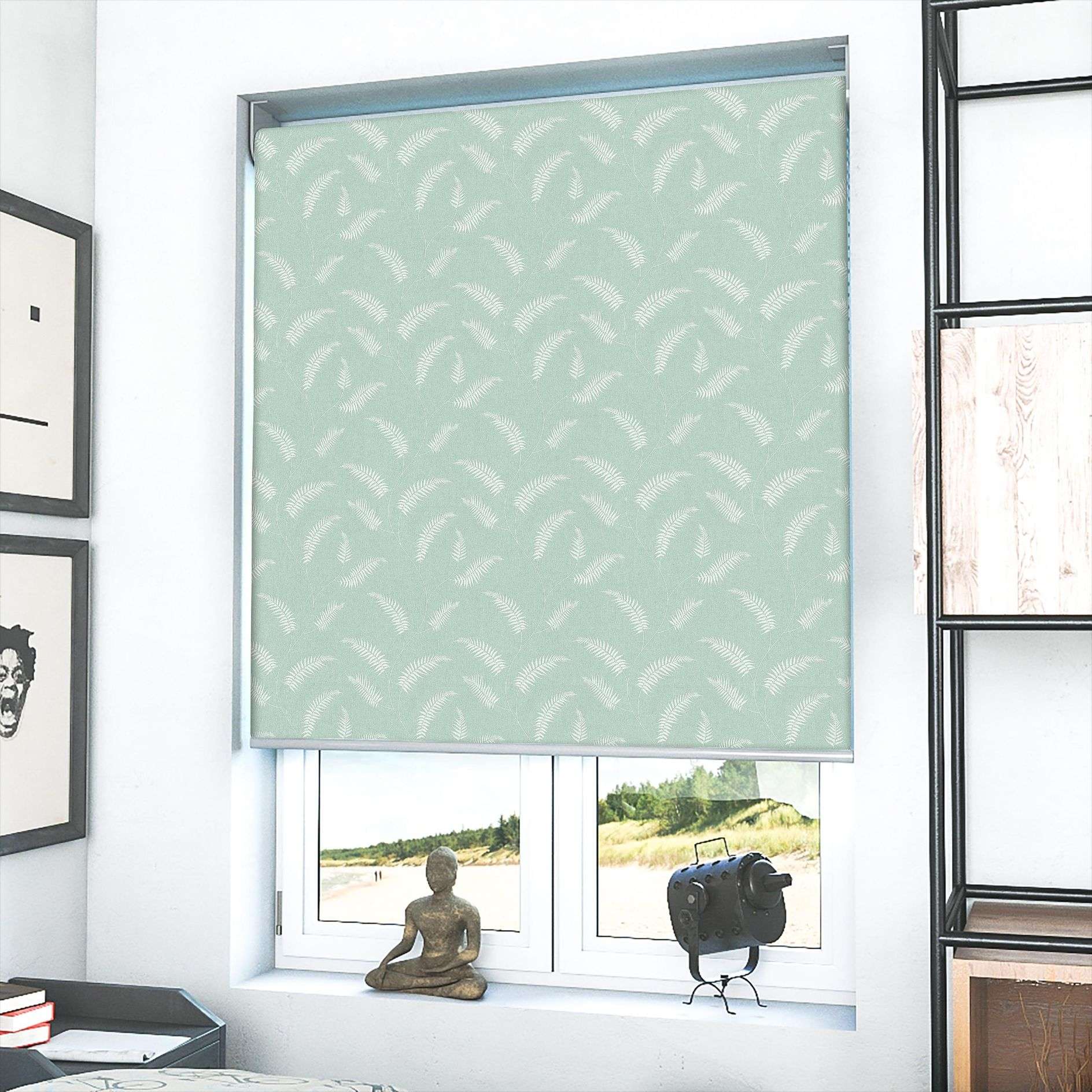
Ordering blinds online can save you hundreds of pounds. But one wrong measurement? That's an expensive mistake you can't afford to make.
Here's the good news: measuring for blinds is actually straightforward. You just need to know what you're doing.
This complete guide walks you through every step, from choosing your tools to avoiding the most common measuring mistakes. Whether you're fitting roller blinds, vertical blinds, or venetians, we've got you covered.
Top Tip
Always measure in millimetres, not centimetres or inches. Blinds manufacturers work in millimetres for precision. One misplaced decimal point can mean a blind that's 10cm too short instead of perfect. Measure three times, order once.
What You'll Need Before You Start
The right tools make measuring foolproof. Here's what to grab before you begin:
A metal tape measure is essential. Fabric ones stretch over time and give inaccurate readings.
You'll also want a notepad and pen. Taking measurements on your phone? One accidental swipe and your numbers are gone.
Your Measuring Kit
- Metal tape measure (minimum 3 metres)
- Step ladder for high windows
- Notepad and pen (not phone notes)
- Spirit level to check window squareness
- Helper (makes measuring much easier)
Recess vs Exact Fit: Which One Do You Need?
This is the first big decision. Get it wrong and your blinds won't fit properly.
Let's break down both options.
Recess Fit (Inside the Window Frame)
Recess fit means the blind sits inside your window recess. Clean, streamlined, no fuss.
When to choose recess fit:
- Your window has a decent recess (at least 40mm deep)
- You want a minimalist, modern look
- The window opens inwards
- You're fitting in a bathroom or kitchen where wall space is limited
The blind manufacturer will automatically deduct a few millimetres to ensure smooth operation. You just measure the recess exactly.
Exact Fit (Outside the Window Frame)
Exact fit blinds mount on the wall or ceiling above your window. They cover more area and block more light.
When to choose exact fit:
- Your recess is too shallow
- You want maximum light blocking
- The window frame is uneven
- You want to make the window look larger
For exact fit, you'll need to measure beyond the frame edges.
Warning: Common Mistake
Don't measure the existing blind if you're replacing one. Old blinds might have been installed incorrectly or shrunk over time. Always measure the actual window recess or the area you want to cover.
How to Measure for Recess Fit Blinds
Ready to measure? Follow these steps exactly.
Step 1: Measure the Width
Measure the width of your window recess at three different points: top, middle, and bottom.
Why three points? Windows aren't always perfectly square. You need to know if yours is slightly wonky.
Write down all three measurements. Then use the smallest one. This ensures your blind will fit at the narrowest point.
Top Width
Measure across the very top of the recess from the inside edge to inside edge.
Middle Width
Measure across the middle of the recess, level with where the blind will hang.
Bottom Width
Measure across the bottom of the recess where the windowsill meets the frame.
Record the Smallest
Use the narrowest measurement. This is your width dimension.
Step 2: Measure the Drop (Height)
Now measure from the top of the recess down to the windowsill.
Again, take three measurements: left side, centre, and right side.
Use the longest measurement this time. You want the blind to reach the sill at its lowest point.
Pro Measuring Tip
When measuring drop, measure from the very top of the recess (where the blind will actually sit) not from where the glass starts. That extra couple of centimetres matters.
Step 3: Check for Obstructions
Look for anything that might get in the way:
- Window handles that stick out
- Tiles that protrude into the recess
- Pipes or radiators below
- Security locks on the window
Note these down. You may need to adjust your blind type or drop length.
How to Measure for Exact Fit Blinds
Exact fit is more forgiving, but you still need to be precise.
Decide Your Coverage Area
First, figure out how much you want to cover. Most people add:
- 10-15cm either side of the window frame
- 10cm above the frame
- 5-10cm below the sill
This ensures good light blocking and makes windows look larger.
Measure Your Width
Measure the full width you want to cover, including the frame and extra coverage on each side.
Make sure you have enough wall space. Check for:
- Light switches
- Plug sockets
- Pipes
- Other windows nearby
Measure Your Drop
Measure from where you plan to mount the blind (usually 10cm above the frame) down to your desired length below the sill.
Include the full drop in your measurement.
Quick Coverage Guide
- Minimum coverage: Add 5cm each side, 5cm top and bottom
- Standard coverage: Add 10cm each side, 10cm top and bottom
- Maximum light blocking: Add 15cm each side, 15cm top and bottom
Measuring Different Window Types
Not all windows are straightforward rectangles. Here's how to handle tricky ones.
Bay Windows
Measure each section of the bay separately. Treat them as individual windows.
Note the angles where sections meet. Some blind types work better than others in bays.
Arched Windows
For arched tops, measure the width at the widest point and the drop from the arch peak to the sill.
You'll likely need specialist shaped blinds. Contact the manufacturer with your measurements.
Velux and Roof Windows
Check your window for a manufacturer's code plate (usually on the top edge when open). This tells you the exact size.
If there's no code, measure the glass pane directly, not the frame.
Tilted or Slanted Windows
Measure both the width at the top and bottom. Also measure both sides for the drop.
You'll need blinds specifically designed for angled windows.
The 7 Most Common Measuring Mistakes (and How to Avoid Them)
Learn from other people's expensive errors.
Costly Mistakes to Avoid
1. Measuring in centimetres instead of millimetres
Always work in mm. It's more precise and matches what manufacturers use.
2. Only measuring once
Windows are rarely perfectly square. Measure three times at different points.
3. Including window sills in recess measurements
Measure to where the sill starts, not the outer edge.
4. Forgetting about window handles
Handles can prevent blinds from lying flat. Check handle depth.
5. Not checking recess depth
You need at least 40mm depth for recess-mounted blinds.
6. Measuring from the outside
Always measure from inside the room where the blind will hang.
7. Assuming all windows are the same size
Even in new builds, windows vary by a few millimetres. Measure each one.
Special Considerations for Different Blind Types
Different blind styles have different measuring requirements.
Vertical Blinds
Need extra clearance at the sides for the louvres to stack back fully. Add 100mm to your width measurement for vertical blinds.
Roller Blinds
These are the most forgiving. Standard measurements work perfectly for roller blinds.
Venetian Blinds
Check your recess depth carefully. The mechanism needs at least 50mm. Also check for any window handles.
Roman Blinds
Roman blinds stack higher when open. Add 30cm to your drop measurement to account for the fabric stack at the top.
Pleated Blinds
Perfect for unusual shapes. These require very precise measurements due to their tensioned design.
Recording and Double-Checking Your Measurements
You've measured carefully. Now make sure you don't lose those numbers.
Write Everything Down Clearly
Use this format:
- Room name (e.g., "Master Bedroom")
- Window position (e.g., "Left window, front of house")
- Width: XXXXmm
- Drop: XXXXmm
- Fit type: Recess or Exact
- Any obstructions or notes
Label each window if you're doing multiple rooms. "Bedroom 1 left window" is clearer than "window 3".
Take Photos
Snap a picture of each window with your tape measure visible. This helps if there are any queries later.
The Triple-Check Method
Before ordering:
- Remeasure every window
- Compare your two sets of measurements
- If they don't match exactly, measure a third time
- Check you've noted recess vs exact fit for each blind
Key Takeaway
Measuring for blinds is straightforward when you follow the right process. The key is measuring three times at different points, working in millimetres, and recording everything clearly. Take your time, use the right tools, and double-check before ordering. A perfectly fitted blind transforms a room, while a poorly measured one is an expensive headache you don't need.
Bottom Line
Accurate measuring is the foundation of beautiful, perfectly fitted blinds. Whether you choose recess or exact fit, the principles are the same: use a metal tape measure, work in millimetres, measure at multiple points, and record everything clearly. Following this guide ensures your made-to-measure blinds will fit perfectly first time. And when they do? The satisfaction of a job well done is worth every minute you spent measuring carefully.
Ready to order your perfectly measured blinds? Browse our range of made-to-measure roller blinds, vertical blinds, and more. Need measuring help? Our team is here to guide you through the process. Get in touch for expert advice.