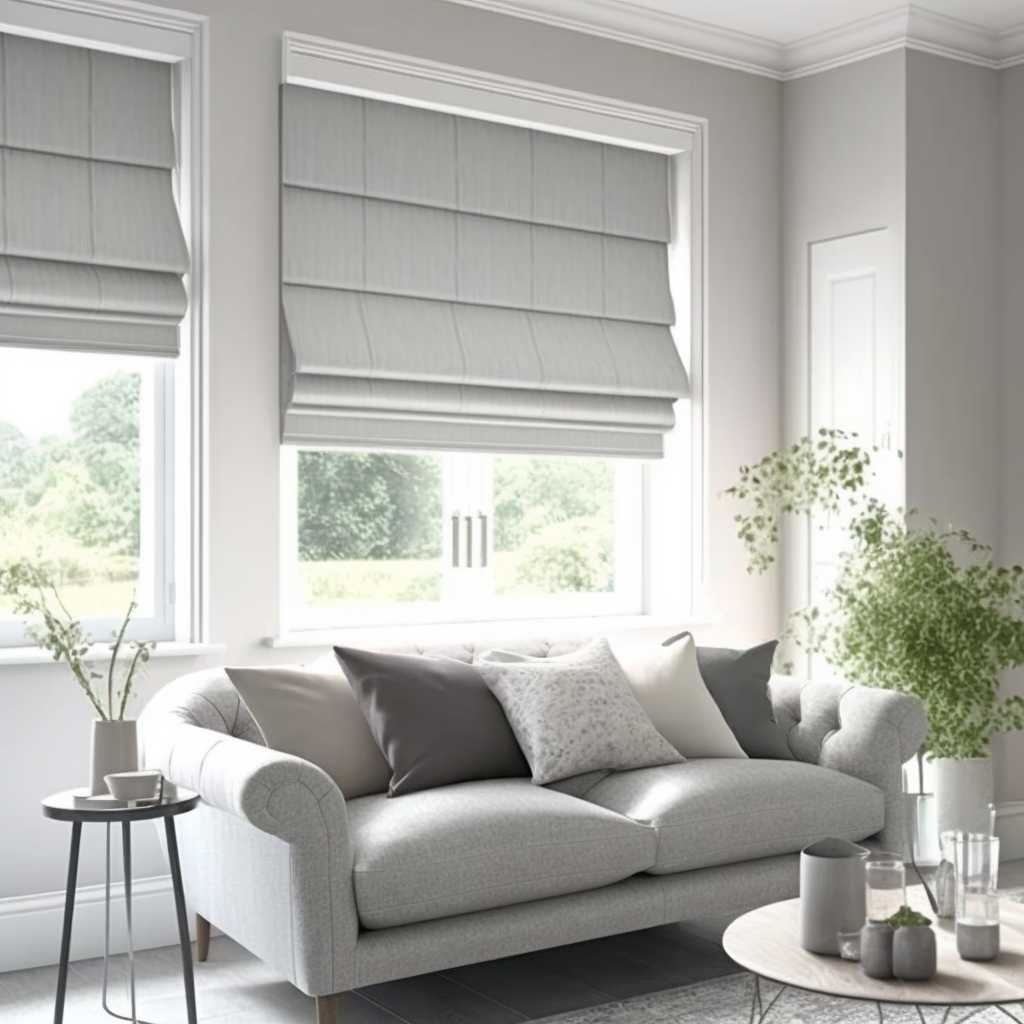
Standing in the window treatment aisle, completely overwhelmed? You're not alone.
The blinds vs curtains debate has stumped homeowners for decades.
Both have passionate supporters. Both have genuine benefits. And both can look absolutely stunning in the right setting.
This guide cuts through the noise. We'll compare them on cost, maintenance, style, insulation, light control, and durability. By the end, you'll know exactly which works best for each room in your home.
Top Tip
You don't have to choose just one. Many homeowners combine blinds and curtains for the ultimate window solution. Blinds provide precise day-to-day control, while curtains add softness, color, and extra insulation. It's the best of both worlds.
The Cost Comparison: What's Your Budget?
Let's talk money first. Because budget matters.
Initial Purchase Costs
Blinds: Generally More Affordable
Quality made-to-measure blinds for a standard window typically cost £60-£200 depending on type and features.
- Basic roller blinds: £60-£100
- Venetian blinds: £80-£150
- Vertical blinds: £100-£180
- Roman blinds: £120-£250
Curtains: Wider Price Range
Ready-made curtains start from £30, but rarely fit perfectly. Made-to-measure curtains offering comparable quality cost £150-£400+ per window.
Don't forget:
- Curtain poles or tracks: £30-£100
- Professional fitting: £50-£150
- Tie-backs and accessories: £20-£50
Typical Whole-House Costs
Long-Term Value
Blinds typically last 7-15 years with minimal maintenance. Curtains can last 10-20 years but may need professional cleaning every few years at £30-£60 per pair.
Winner: Blinds for upfront cost, even over the long term
Maintenance: What's Easier to Keep Clean?
Nobody wants high-maintenance windows. Let's compare the cleaning reality.
Blinds Maintenance
Weekly: Quick dust with microfiber cloth (2 minutes per blind)
Monthly: Wipe PVC blinds with damp cloth
Annually: Deep clean fabric blinds or wash PVC blinds in the bath
Most blinds resist dust better than fabric. Vertical and roller blinds are particularly low-maintenance.
Curtains Maintenance
Weekly: Vacuum with upholstery attachment to prevent dust buildup
Seasonally: Wash if machine-washable (many aren't)
Annually: Professional dry cleaning for lined curtains (£30-£60 per pair)
Curtains act as dust magnets. They absorb cooking smells, pet odors, and cigarette smoke. Regular washing is essential but inconvenient.
Maintenance Reality Check
- Blinds: 5 minutes weekly maintenance per window
- Curtains: 10 minutes weekly, plus periodic washing/dry cleaning
- Blinds ideal for kitchens and bathrooms (wipe-clean)
- Curtains require more commitment but add softness
Winner: Blinds by a significant margin
Light Control: Which Gives Better Control?
This is where blinds really shine. Literally.
Blinds: Precision Control
Blinds offer unmatched flexibility:
Venetian blinds let you angle slats for perfect light levels. Want bright but no glare? Angle them up. Need privacy with light? Angle down.
Vertical blinds offer similar control. Rotate slats from closed to fully open in infinite positions.
Roller blinds adjust to any height. Stop them exactly where you want.
Day/night blinds combine sheer and opaque sections. Adjust for light while maintaining privacy.
Curtains: All or Nothing
Curtains are binary. Open or closed. That's it.
You can partially open them, but this creates an awkward bunched-up look. Most people either have curtains fully open or fully closed.
Sheer curtains offer a middle ground, but you're still choosing between light or privacy, rarely both.
Light Control Tip
For home offices and TV rooms, blinds are superior. They eliminate screen glare while maintaining daylight. Curtains can't match this precision, often creating harsh light/dark contrasts.
Winner: Blinds dominate this category
Insulation & Energy Efficiency: Which Keeps Your Home Comfortable?
UK energy bills aren't getting cheaper. Window treatments that insulate properly save money.
Curtains: Superior Insulation Potential
Thick, lined curtains create excellent insulation. The fabric plus lining creates air pockets that trap heat.
Thermal curtains with special backings can reduce heat loss by up to 25%. In winter, they're remarkably effective.
Heavyweight curtains also block drafts better than most blinds.
Blinds: Good, But Not Quite as Effective
Blinds offer decent insulation, especially thermal-backed options. They create an air gap between glass and room.
But they can't match thick curtains for pure insulation value. The thinner materials and smaller air pockets mean less temperature control.
Exception: Roman blinds with thermal lining come close to curtain performance.
Insulation Comparison
Thermal Curtains
Up to 25% heat loss reduction, excellent draft blocking
Thermal-Backed Blinds
Up to 15% heat loss reduction, good air pocket creation
Combined Solution
Up to 35% heat loss reduction, maximum efficiency
Winner: Curtains edge ahead for pure insulation
Style & Aesthetics: What Looks Better?
This is subjective, but let's explore the design differences.
Blinds: Clean, Modern, Minimalist
Blinds suit contemporary homes beautifully. They're:
- Sleek and unobtrusive
- Available in countless colors and patterns
- Perfect for showcasing nice window frames
- Ideal for small rooms (don't take visual space)
Roller blinds and vertical blinds offer ultra-modern looks. Venetians add texture. Romans provide soft sophistication.
Curtains: Traditional, Soft, Luxurious
Curtains excel at creating warmth and luxury. They:
- Add color and pattern boldly
- Soften hard architectural lines
- Create dramatic, theatrical looks
- Suit period properties perfectly
Curtains make rooms feel more furnished and finished. The fabric adds texture that's hard to replicate with blinds.
Style Guide by Home Type
- Modern apartments: Blinds, especially rollers and venetians
- Victorian/period homes: Curtains or Roman blinds
- New builds: Either works, depending on your style preference
- Minimalist interiors: Blinds every time
- Traditional décor: Curtains or layered look
Winner: Tied – depends entirely on your style and home
Durability: Which Lasts Longer?
You're investing in your home. Longevity matters.
Blinds Lifespan
Quality blinds typically last 7-15 years. Mechanisms can break, but reputable manufacturers offer warranties.
Most durable: PVC and faux wood blinds (10-15 years)
Moderate: Fabric rollers and Romans (7-10 years)
Variable: Venetians (5-12 years depending on use frequency)
Curtains Lifespan
Well-made curtains can last 10-20 years. Fabric fades with sun exposure but doesn't "break" like blind mechanisms.
Lined curtains last longer than unlined. Heavier fabrics outlast lightweight ones.
The main wear point is hanging hardware, which is easily replaced.
Winner: Curtains slightly edge out blinds for longevity
Room-by-Room Recommendations
The "best" choice varies by room. Here's what works where.
Living Room
Best choice: Curtains or combined solution
Living rooms benefit from the softness and luxury of curtains. If budget allows, pair light-filtering blinds with decorative curtains.
This gives you precise light control plus the warmth of fabric.
Bedroom
Best choice: Blackout blinds or layered approach
Sleep quality demands total darkness. Blackout blinds guarantee this. Add curtains if you want the cozy bedroom feel.
Either blackout blinds alone or blinds with curtains work beautifully.
Kitchen
Best choice: Blinds (especially vertical or faux wood)
Kitchens need wipe-clean solutions. Cooking grease and steam ruin fabric curtains quickly.
Blinds handle kitchen conditions perfectly.
Bathroom
Best choice: Waterproof blinds (PVC or treated fabric)
Moisture kills curtains. Blinds designed for bathrooms resist humidity and mold.
No contest here.
Home Office
Best choice: Blinds (venetian or roller)
You need glare control for screens. Blinds adjust precisely throughout the day.
Curtains can't match this functionality.
Dining Room
Best choice: Either works well
Purely aesthetic. Choose based on your design style. Both perform equally well in dining spaces.
The Pros & Cons Summary
Let's lay it all out clearly.
Blinds: Pros & Cons
Pros
- Lower cost
- Easy maintenance
- Excellent light control
- Modern aesthetic
- Space-saving
- Moisture-resistant options
- Quick to operate
Cons
- Mechanisms can break
- Less insulation than curtains
- Can look stark in traditional homes
- Limited softness/texture
- Shorter lifespan than curtains
Curtains: Pros & Cons
Pros
- Superior insulation
- Luxurious appearance
- Softens room aesthetics
- Long lifespan
- Suits period properties
- Bold color/pattern options
- No mechanical parts to break
Cons
- Higher cost
- High maintenance
- Limited light control
- Collect dust and odors
- Require more space
- Not moisture-resistant
- Expensive to clean
Can You Use Both? The Layered Approach
Here's a secret many interior designers use: you don't have to choose.
Layering blinds with curtains gives you every advantage:
- Blinds for daily light control
- Curtains for insulation and style
- Maximum flexibility
- Professional, finished look
How to Layer Successfully:
Install light-filtering or sheer roller blinds inside the recess. Mount curtain poles above and outside the window frame.
Use blinds during the day for light control. Close curtains at night for privacy, insulation, and ambiance.
This approach costs more initially but delivers unbeatable performance.
Key Takeaway
Blinds and curtains each excel in different areas. Blinds win on cost, maintenance, and light control. Curtains win on insulation, style, and longevity. For most UK homes, the smart solution is room-specific: blinds in kitchens and bathrooms, curtains or combined solutions in living areas and bedrooms. Choose based on your room's specific needs, not on blanket rules.
Bottom Line
There's no universal "better" option. Blinds dominate in practical spaces requiring low maintenance and precise control. Curtains excel in living spaces where comfort, style, and insulation matter most. The smartest approach? Match the window treatment to each room's specific needs. Your kitchen needs different solutions than your bedroom. Understanding this is the key to getting window treatments right throughout your entire home.
Ready to choose the perfect window treatments for your home? Explore our range of roller blinds, vertical blinds, and Roman blinds. Still undecided? Contact our team for expert advice tailored to your specific rooms and style.