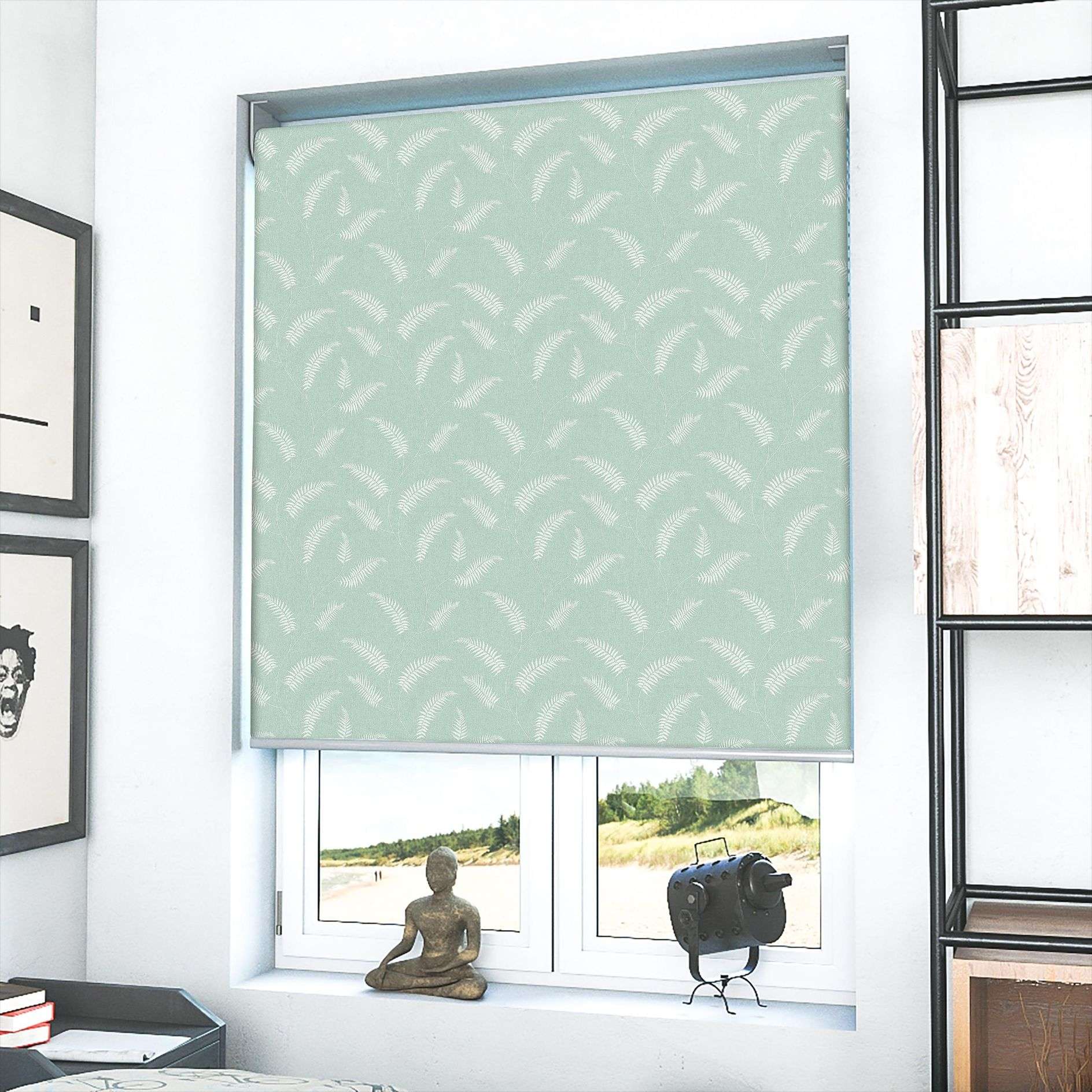
If you're among the millions of UK workers who regularly work night shifts, you understand the unique challenges that come with sleeping during daylight hours. Whether you're a nurse, doctor, police officer, emergency services worker, security guard, factory worker, or in any profession requiring night work, getting quality sleep during the day is absolutely essential for your health, safety, and wellbeing.
One of the most effective solutions for improving daytime sleep quality is installing blackout blinds in your bedroom. In this comprehensive guide, we'll explore why blackout blinds are crucial for night shift workers, the science behind darkness and sleep, and how to choose the perfect blackout solution for your needs.
Critical for Your Health
Studies show that shift workers are at increased risk of sleep disorders, cardiovascular disease, diabetes, and depression. Creating optimal sleeping conditions with blackout blinds isn't just about comfort—it's essential for your long-term health.
The Science of Sleep and Darkness
To understand why blackout blinds are so crucial for night shift workers, it's important to grasp the science behind sleep and light exposure.
Your Circadian Rhythm and Melatonin Production
Your body has an internal biological clock called the circadian rhythm, which regulates your sleep-wake cycle over a 24-hour period. This clock is primarily influenced by light exposure. When your eyes detect darkness, your brain's pineal gland produces melatonin, the hormone responsible for making you feel sleepy.
For day sleepers, this presents a significant challenge. Daylight contains approximately 100,000 lux of brightness at midday, compared to just 0.001 lux on a moonlit night. This massive difference in light levels makes it extremely difficult for your body to produce adequate melatonin during daytime sleep periods.
Even small amounts of light can suppress melatonin production. Research published in the Journal of Clinical Endocrinology & Metabolism found that exposure to room light before bedtime suppressed melatonin by approximately 85% compared to dim light conditions.
Top Tip: Timing Your Blackout
Close your blackout blinds as soon as you arrive home from your night shift, even before you start your wind-down routine. This signals to your brain that it's approaching sleep time, helping trigger melatonin production earlier.
Sleep Quality vs Sleep Quantity
It's not just about how long you sleep—it's about the quality of that sleep. Your sleep cycle consists of several stages, including light sleep, deep sleep, and REM (Rapid Eye Movement) sleep. Light exposure can disrupt these cycles, particularly the crucial deep sleep stage where your body performs essential repair and restoration processes.
Night shift workers who sleep in bright conditions typically experience:
- Reduced total sleep time (often 1-2 hours less than recommended)
- Decreased time spent in deep sleep stages
- More frequent sleep interruptions and awakenings
- Lower overall sleep efficiency
- Increased sleep onset latency (taking longer to fall asleep)
Why Regular Curtains Aren't Enough
Many night shift workers initially try using regular curtains or standard blinds, only to discover they don't provide adequate darkness for quality daytime sleep. Here's why:
Light Leakage Around Edges
Standard curtains and blinds typically allow significant light to seep around the edges, particularly at the top and sides of the window frame. Even this peripheral light can be enough to signal to your brain that it's daytime, suppressing melatonin production.
Light Penetration Through Fabric
Regular curtain fabrics, even when described as "room darkening," still allow a considerable amount of light to filter through. The difference between room darkening and blackout materials is substantial—blackout materials block 99-100% of light, whilst room darkening fabrics typically only block 95-97%.
Quick Test: Are Your Current Blinds Adequate?
- Close your blinds at midday and turn off all lights
- Wait 5 minutes for your eyes to adjust
- Can you still see shapes and objects in your room? Your blinds aren't dark enough
- True blackout means you shouldn't be able to see your hand in front of your face
Types of Blackout Blinds for Night Workers
Understanding the different types of blackout blinds available will help you choose the best option for your bedroom and budget.
Roller Blackout Blinds
Roller blackout blinds are the most popular choice for night shift workers, and with good reason. These blinds feature a single piece of blackout fabric that rolls up and down on a mechanism, providing complete coverage of your window when lowered.
Advantages:
- Excellent light blocking when properly fitted (99-100%)
- Simple, clean appearance that suits any bedroom décor
- Easy to operate—simply pull down when needed
- Compact when raised, maximising natural light when you're awake
- Cost-effective compared to other blackout options
- Available in numerous colours and patterns
Vertical Blackout Blinds
Vertical blackout blinds work particularly well for larger windows or patio doors, which are common in modern UK new builds. The vertical slats can be rotated to control light levels or drawn fully open when you want maximum light.
Ideal for:
- Wide windows or patio doors
- Rooms where you want flexibility between partial and full blackout
- Windows where side-to-side opening is more practical than up-and-down
Roman Blackout Blinds
Roman blackout blinds combine elegant aesthetics with practical functionality. These fabric blinds fold into horizontal pleats as they're raised, creating a soft, sophisticated look whilst providing excellent light blocking when lowered.
Best suited for:
- Master bedrooms where you want a more luxurious appearance
- Period properties where the classic style complements architectural features
- Rooms where aesthetics are as important as functionality
Benefits of Made-to-Measure
- Perfect fit eliminates light gaps
- Professional appearance
- Maximum light blocking efficiency
- Fits awkward window sizes
Drawbacks of Off-the-Shelf
- Rarely fits perfectly
- Light gaps around edges
- Limited colour/style options
- May need multiple blinds
Essential Features for Shift Worker Blackout Blinds
When selecting blackout blinds specifically for shift work sleep requirements, certain features are particularly important:
Side Channels and Cassette Systems
Side channels are aluminium or plastic tracks that run down both sides of your window frame, creating a sealed channel for your blackout blind fabric to sit within. Combined with a cassette headrail that fully encloses the fabric when raised, this system virtually eliminates all light leakage around the edges.
For night shift workers who need maximum darkness, side channels can make the difference between achieving 95% darkness (which still allows noticeable light) and true 100% blackout conditions.
Quality of Blackout Material
Not all blackout fabrics are created equal. Look for blinds that specify:
- 100% blackout rating rather than "room darkening" or "light filtering"
- Thermal backing which provides insulation as well as light blocking
- PVC or acrylic coating on the fabric for durability and complete opacity
- Substantial weight indicating quality construction and materials
Top Tip: Colour Matters
Choose darker colours for the room-facing side of your blackout blinds. Whilst the backing provides the light blocking, darker interior colours (navy, black, charcoal) absorb any residual light better than lighter colours, creating an even darker sleep environment.
Ease of Operation
When you arrive home after a long night shift, you want blackout blinds that are quick and easy to lower. Consider:
- Spring-assisted rollers that raise smoothly without yanking
- Cordless systems that eliminate tangled cords and are safer
- Slow-rise mechanisms that prevent blinds snapping up suddenly
- Motorised options for ultimate convenience—particularly useful if you have multiple windows
Additional Tips for Optimal Daytime Sleep
Whilst blackout blinds are crucial, combining them with other sleep hygiene practices maximises your chances of quality daytime rest.
Quick Tips for Better Day Sleep
- Layer your blackout: Combine blackout blinds with blackout curtains for 100% darkness guarantee
- Block door light: Use a draft excluder along the bottom of your bedroom door to prevent hallway light seeping in
- Cover electronics: Use black tape to cover LED lights on alarm clocks, chargers, and devices
- Consider a sleep mask: As a backup for any remaining light, especially useful when travelling
- Maintain temperature: Blackout blinds with thermal backing help keep your room cool in summer
- Use white noise: Combined with darkness, white noise masks disruptive daytime sounds
Creating a Sleep-Conducive Environment
Beyond light control, your bedroom environment significantly impacts sleep quality:
- Temperature: Keep your bedroom between 16-18°C (60-65°F) for optimal sleep
- Noise reduction: Use earplugs, white noise machines, or fans to mask daytime sounds
- Phone discipline: Put your phone on "Do Not Disturb" and inform friends/family of your sleep schedule
- Consistent schedule: Try to maintain the same sleep times even on days off to regulate your circadian rhythm
The Health Benefits of Proper Darkness
Investing in quality blackout blinds isn't just about comfort—it's a crucial investment in your long-term health and wellbeing as a shift worker.
Reduced Health Risks
Research consistently shows that night shift workers who achieve better quality sleep through environmental modifications like blackout blinds experience:
- Lower rates of cardiovascular disease
- Reduced risk of type 2 diabetes
- Decreased likelihood of depression and anxiety
- Better immune system function
- Lower obesity rates
Improved Cognitive Function
Quality sleep in darkness directly impacts your cognitive abilities, including memory consolidation, decision-making, reaction times, and concentration—all critical factors for workplace safety in many night shift roles.
Key Takeaway
Studies show that shift workers who optimize their sleep environment with complete darkness report 40% better sleep quality, 30% fewer awakenings, and significantly improved daytime alertness and mood. The investment in quality blackout blinds typically pays for itself within months through improved health and wellbeing.
Choosing the Right Blackout Blinds for Your Situation
Your ideal blackout blind solution depends on several factors:
For Renters
If you're renting, you may have limitations on window modifications. Consider:
- Tension-fit blackout roller blinds that require no drilling
- Self-adhesive blackout blinds that use removable strips
- Portable blackout solutions that can move with you
For Homeowners
As a homeowner, invest in the best quality solution:
- Made-to-measure blackout blinds with side channels
- Professionally installed for perfect fit
- Consider motorisation for long-term convenience
- Choose durable materials that will last years
Budget Considerations
Whilst budget is always a consideration, remember that quality blackout blinds are a health investment. However, there are options for various price points:
- Budget (£30-£80 per window): Basic blackout roller blinds—effective but may have minor light leakage
- Mid-range (£80-£150 per window): Quality blackout blinds with better fit and materials
- Premium (£150-£300+ per window): Made-to-measure with side channels and cassette systems—virtually eliminates all light
Summary: Your Action Plan
If you're a night shift worker struggling with daytime sleep, blackout blinds should be your first investment. Here's your action plan:
- 1. Measure your windows accurately or arrange for professional measuring
- 2. Choose made-to-measure blackout blinds with side channels for maximum darkness
- 3. Opt for darker colours on the room-facing side
- 4. Consider layering with blackout curtains for 100% light blocking guarantee
- 5. Address other sleep environment factors (temperature, noise, electronics)
- 6. Maintain consistent sleep schedules even on days off
Your health, safety, and quality of life depend on getting proper sleep. Don't compromise—invest in quality blackout blinds today and experience the difference complete darkness makes to your daytime rest.